Myth-busting common misconceptions about gambling practices
The Illusion of Control
One prevalent myth about gambling is the belief that players can control the outcome of games through strategies or rituals. Many gamblers think that specific behaviors, such as wearing lucky clothing or following particular routines, can influence their odds of winning. However, this misconception often leads to a false sense of security and can result in irresponsible gambling practices. In fact, players looking for entertainment can also explore non gamstop slots as a way to enjoy gameplay without undue stress.
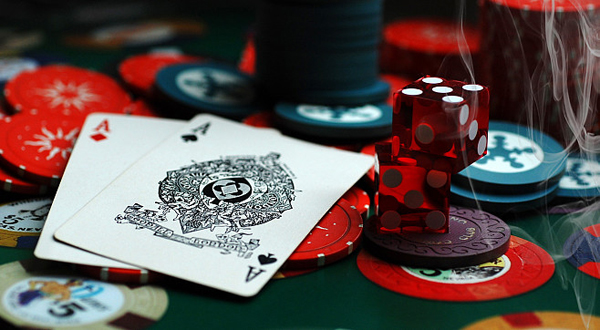
In reality, games of chance like slots, roulette, and poker are driven by randomness. The outcomes are determined by algorithms or random number generators, making them unpredictable. Understanding this fact is crucial for responsible gambling, as it helps players recognize that luck plays a far more significant role than any strategy they may employ.
The Myth of the “Hot” or “Cold” Machine
Many players believe that slot machines or table games can be “hot” or “cold,” suggesting that recent outcomes affect future results. This leads to the misconception that if a machine hasn’t paid out in a while, it is “due” for a win, or conversely, if it has been paying out frequently, it may soon be “cold.” Such beliefs can drive players to make poor betting decisions.
The truth is that each spin or hand is independent and does not influence subsequent results. Understanding the randomness of outcomes is vital for maintaining a healthy relationship with gambling. Players should focus on enjoying the experience rather than trying to predict the next outcome based on past results.
The Gamble for Luck: Skill vs. Chance
Another common misconception is that skill-based games guarantee success if players have enough knowledge and practice. While it’s true that games like poker involve skill and strategy, many gamblers overestimate their ability to predict opponents’ moves or make winning decisions consistently. This can lead to significant financial losses if players don’t recognize the inherent risks involved.
In games of chance, the house always has an edge, no matter how skilled a player might be. Responsible gambling requires acknowledging the balance between skill and luck, and recognizing that even the best players can experience losses. This understanding encourages a more cautious approach to betting and helps prevent the pitfalls of overconfidence.
The Social Stigma Surrounding Gambling
Gambling is often surrounded by negative stereotypes that can deter individuals from engaging in responsible gambling practices. Many people associate gambling with addiction and financial ruin, leading to a fear of judgment or misunderstanding from peers. This stigma can prevent open discussions about responsible gambling and the importance of setting limits.
Breaking down these barriers is essential for fostering a supportive community. By promoting responsible gambling habits and emphasizing the enjoyment of games, individuals can partake without falling prey to the societal pressures that often accompany gambling activities. Education and awareness play crucial roles in changing perceptions and encouraging healthy behaviors.

Connecting Women in Tech and Responsible Gambling
Platforms like GeekGirlMeetup.co.uk are vital in fostering community and support among women in various fields, including the tech and gambling industries. By providing resources and networking opportunities, these platforms can help individuals understand the complexities of gambling while promoting responsible practices.
Through engagement, education, and shared experiences, women can gain valuable insights into maintaining a healthy relationship with gambling. Creating a space for open dialogue encourages learning and support, helping to demystify common misconceptions while enhancing the overall experience for all participants.
Leave a Reply